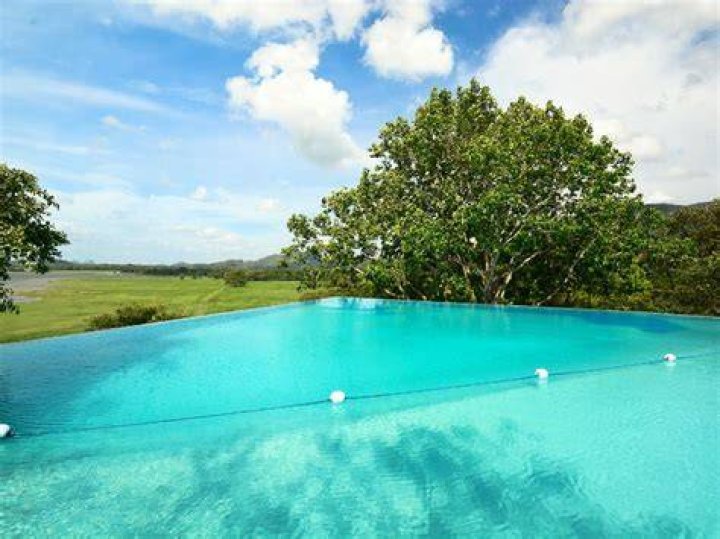
The Bottom Line about Pools and Chlorine
As mentioned above, you could probably swim in a pool without chlorine without any major health issues. However, long-term use of a pool lacking chlorinated H2O could make you sick or, at the very least, contribute to rashes and other types of skin irritation.How long can water sit in pool without chlorine?
If you are not adding chlorine to kill bacteria, drain the pool every other day. Stagnant water without chlorine can become unhealthy water in as little as 24-48 hours.
Is chlorine necessary in a pool?
Swimming pools need chlorine to keep the water clean and safe to swim in. Chlorine helps keep water clean by preventing the growth of algae. It keeps your pool water safe by attacking and neutralizing harmful bacteria and microorganisms.
How can I swim without chlorine?
Here are nine alternatives you may want to consider:
- Bromine: Bromine is used as an alternative to chlorine. ...
- Ozonation: You can easily install an ozone generator. ...
- Reduction in Water Temperature: ...
- PHMB: ...
- U/V Light: ...
- Ultrafiltration: ...
- Mineral Water Pool Systems: ...
- Pristine Blue:
Can you swim in a pool that hasn't been shocked?
It is recommended to wait at least 20 minutes to an hour after adding water balancing chemicals. You should wait 2-4 hours (or one full cycle through the filter) to swim from the moment you use calcium chloride in your pool. It is safe to swim once your chlorine levels are around 5 ppm or after 24 hours.
100% Chemical, Chlorine, Salt-free Pool. Bio3Blaster Automated Chlorine-free pool system
Can you swim in a freshly filled pool?
Chlorine/non-chlorine chemicals – When adding chlorine or non-chlorine chemicals to “shock” your pool after a fill-up, wait about 24 hours or until levels are approximately 5 ppm. If you'll only be adding liquid chlorine, it's generally safe to swim after about 4 hours or until levels are 5 ppm or lower.
How do I know if my pool is safe to swim in?
Signs That Your Swimming Pool Needs a Deep Clean
- Strong Smell of Chlorine. A strong smell of chlorine does not mean your pool is safe. ...
- Badly Out of Line Chemistry. ...
- Cloudy or Murky Water. ...
- Green Water. ...
- Discolored Water. ...
- Bubbles or Foam. ...
- Living Organisms in the Pool. ...
- When Is It Safe To Swim In Your Pool After Cleaning?
Can I use baking soda instead of chlorine in my pool?
A rule of thumb is 1.5 lbs. of baking soda per 10,000 gallons of water will raise alkalinity by about 10 ppm. If your pool's pH tested below 7.2, add 3-4 pounds of baking soda. If you're new to adding pool chemicals, start by adding only one-half or three-fourths of the recommended amount.
What does free chlorine in a pool mean?
Free chlorine refers to the amount of chlorine that has yet to combine with chlorinated water to effectively sanitize contaminants, which means that this chlorine is free to get rid of harmful microorganisms in the water of your swimming pool.
What is non chlorine pool shock?
Non-chlorine shock, such as Leslie's Fresh 'n Clear, is an oxidizer. It uses the power of “active oxygen” to destroy contaminants in pool and spa water. This eases the load of your regular FAC residual, allowing that chlorine to stay effective longer. This, in turn, prevents chloramines from building up.
How often does a pool need chlorine?
You should aim to keep the chlorine level at between 1 and 3 ppm. We suggest shocking the pool every week to two weeks; with hot weather or increased use, you may need to shock more often.
How do you keep a pool clean without chemicals?
Create Your Own Natural Pool Cleaner
- Baking Soda. Making a simple paste from water and baking soda creates a non-abrasive cleaner that works wonders on pool tile and grout. ...
- Bleach. ...
- Muriatic Acid. ...
- Borax. ...
- Olive Oil. ...
- White Vinegar. ...
- Lemon Juice. ...
- Rubbing Alcohol.
Can I use salt instead of chlorine in my pool?
The benefits of swimming pool salt
Using swimming pool salt instead of chlorine delivers greater swimming comfort: Swimming pool salt does not give off an unpleasant odour as chlorine does. It is much less harsh on hair and skin. It does not cause your eyes to sting.
How long can you keep fresh water in a pool?
Well maintained pool water can last up to 5, maybe even seven years before you need to replace it. This means weekly cleaning, functional filters, and checking ph levels every day. Usage is a huge determining factor.
Does Intex pool need chlorine?
For the greatest protection against algae, bacteria, and cloudy water, Intex pools should maintain a chlorine level of 2.0-4.0 ppm at all times.
Do you need chlorine for above ground pool?
Test the Chlorine Level
Chlorine is essential for pool water because it kills harmful algae, bacteria and microorganisms. Unfortunately, chlorine breaks down when exposed to the sun and chemicals from sunscreen, sweat and more. A pool should have a chlorine level between two and four parts per million (ppm).
What happens if you swim in a shocked pool?
What Happens If You Swim In A Shocked Pool? If you do not wait for the chemicals used to shock a pool to totally dissolve then you could be placing yourself in serious danger by swimming in it. At the minimum, you will feel itchy skin and eyes because of the chemicals present in the water.
How often should you shock your pool?
How Often Should I Shock My Pool? Shocking your pool regularly will help to keep the water clean and free of contaminants. You should aim to shock your pool about once a week, with the additional shock after heavy use. Some tell-tale signs that your pool needs to be shocked are cloudy, foamy, green, or odourous water.
What does Shocking a pool do?
The term, "Shocking” refers to the process of adding chlorine or non-chlorine chemicals to your pool in order to raise the "free chlorine” level to a point where contaminates such as algae, combined chlorine (also known as chloramines) and bacteria are destroyed.
Can you use bleach in a pool instead of chlorine tablets?
Short answer: yes. Longer answer: it depends on the formulation. The label on every bleach bottle should tell you the ratio of sodium hypochlorite (and available chlorine) in the bottle to everything else. A higher percentage is generally better, as you'll need to use less bleach to treat your pool.
What can I use instead of chlorine tablets?
What can you use instead? Bromine — considered a safe substitute for chlorine. Looks for BCDMH tablets, which are typically 66% bromine and 27% chlorine. If unable to find, you can use just bromine but it may leave the water a dull green color.
Is it safe to swim in a pool with algae?
Algae can be very slippery, causing swimmers to fall resulting in bumps, bruises, cuts and even broken bones. Don't try to swim in a pool that's full of algae. Besides causing injuries, an algae infested pool creates a higher risk of drowning for those who are not expert swimmers or those who fall unconscious.
How do I know if my pool has bacteria?
These signs are clear warnings that what might look like a day of summer fun could spell big trouble.
- 1 The pool manager doesn't test the water. ...
- 2 It has cloudy or dirty water. ...
- 3 Algae is growing in the water. ...
- 4 There are several babies in the same pool. ...
- 5 There's a large crowd in the pool.
Are swimming pools full of germs?
Each year, about 15 to 20 outbreaks of diseases, including stomach bugs and diarrhea, are blamed on dirty public pools, according to the CDC. A quarter of theses outbreaks are caused by bacteria, parasites and viruses that could have easily been prevented had the pools been properly chlorinated and monitored.
Is pool water safe if it is clear?
Look for a drain or grate on the floor of the pool and make sure it is clearly visible and not difficult to pick out detail. Clear water is a good sign, but isn't a guarantee of safe water… keep reading.